Interior Selective Demolition in New York, NY
Interior selective demolition in New York City represents a thoughtful technique to urban remodelling. This strategy focuses on the preservation of original building elements while permitting modern updates. With a concentrate on sustainability, it minimizes waste and advertises recycling. Initiating such a project requires careful planning and factor to consider. What are the key factors that must be dealt with to assure a successful outcome?
Comprehending Selective Demolition
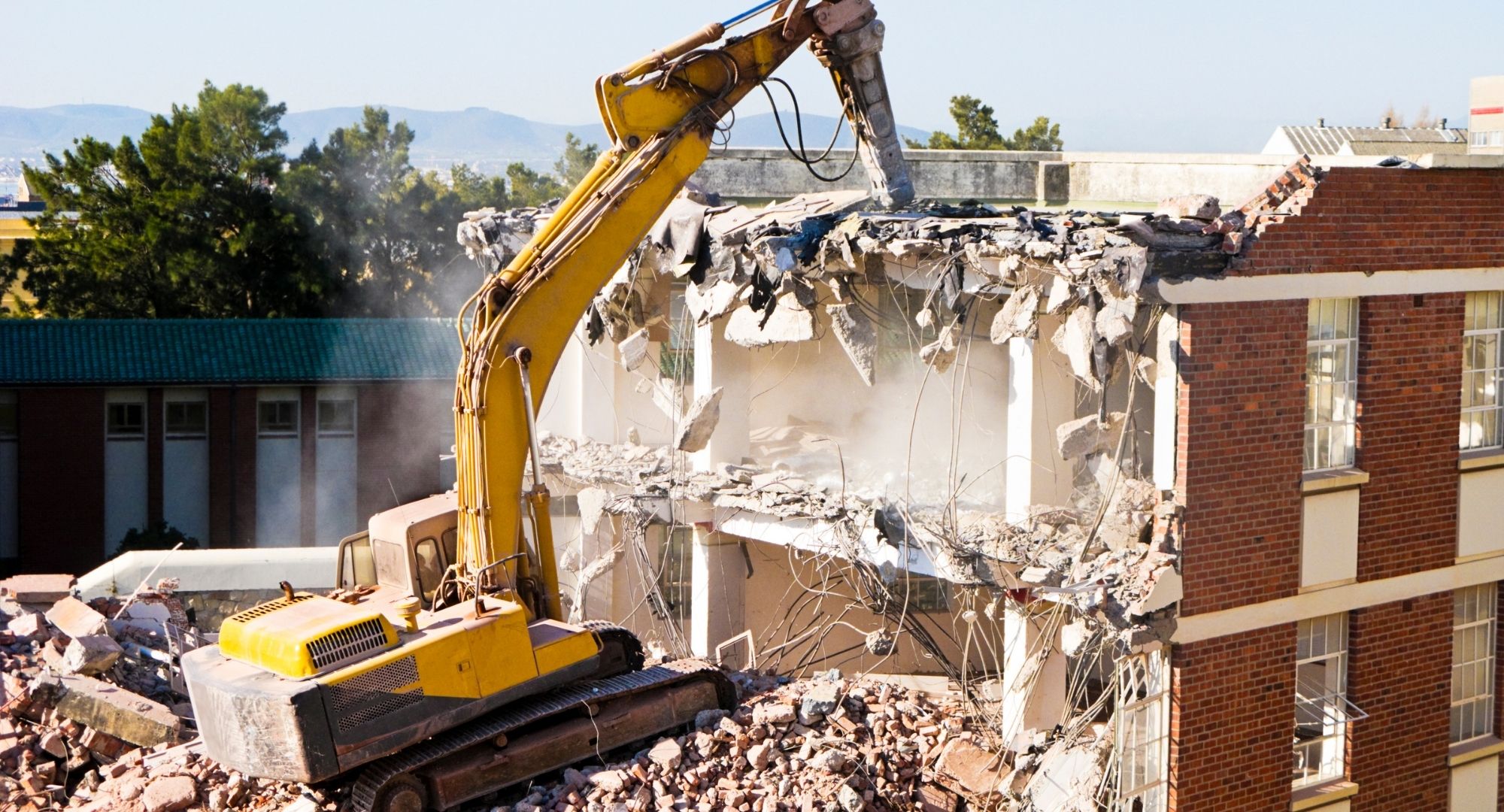
While lots of may associate demolition with full devastation, selective demolition concentrates on the careful removal of certain structure components to promote improvement or repurposing. This approach permits the conservation of valuable features, such as architectural components or historic artefacts, which can be essential to a building's honesty and personality. Selective demolition includes a systematic approach, frequently beginning with comprehensive assessments to recognize which elements can be recovered and which need to be eliminated.
Advantages of Interior Selective Demolition
Interior selective demolition uses considerable advantages, mostly via environmentally friendly waste administration and cost-efficient renovation alternatives. By focusing on particular locations for demolition, this approach decreases landfill waste and advertises the recycling of products. Additionally, it allows homeowner to achieve their remodelling objectives without sustaining extreme expenses.
Eco-friendly Waste Management
Eco-friendly waste management is a significant advantage of indoor selective demolition, as this method permits the careful removal and recycling of materials. Unlike traditional demolition, which frequently brings about too much waste in landfills, selective demolition focuses on restoring reusable components, such as components, floor covering, and architectural elements. This method not only minimizes environmental effect but likewise saves natural deposits. By focusing on recycling and repurposing, indoor selective demolition sustains sustainability efforts and urges liable waste disposal techniques. Furthermore, it minimizes the carbon footprint connected with brand-new material manufacturing and transportation. Consequently, businesses and house owners can add to a greener future while carrying out renovation projects, making environment-friendly waste administration an engaging reason to pick this technique.
Economical Improvement Options
By selecting selective demolition, homeowner can access a variety of affordable renovation options that are typically neglected in standard techniques. This method enables for targeted elimination of particular elements, preserving important structures and reducing unneeded costs. By salvaging materials such as components, floor covering, and cabinetry, residential property proprietors can notably decrease improvement costs while advertising sustainability. Additionally, selective demolition decreases waste, resulting in financial savings on disposal charges and connected labor expenses - demolition contractor near new york. The strategy also makes it possible for quicker project timelines, as it concentrates on necessary areas instead of whole rooms. Inevitably, this approach assists property proprietors attain their renovation objectives while maximizing budget plan effectiveness and decreasing disturbance, making it a wise selection for any type of improvement project in New York
Trick Factors To Consider Prior To Starting a Task
What elements should be taken right into account prior to commencing on an indoor selective demolition task in New York? It is essential to examine the structural honesty of the structure. Understanding which wall surfaces or components can be gotten rid of without jeopardizing safety is critical. In addition, one must take into consideration the local policies and permits required for demolition job, as New York has strict guidelines to guarantee safety and security and conformity.
An additional crucial element is the evaluation of hazardous products, such as asbestos or lead paint, which may need specific handling and disposal. Budget plan restraints play a considerable role also, influencing both the range of the task and the choice of contractors. Ultimately, the timeline needs to be established, factoring in prospective disturbances to nearby spaces and the total job duration. By addressing these considerations, job stakeholders can reduce dangers and assure a smoother demolition process.
The Process of Selective Demolition
The process of selective demolition starts with extensive planning and evaluation to recognize which structures and materials require removal. This stage is vital for making certain safety and security and efficiency throughout the job - demolition contractor new york. Adhering to the analysis, secure removal methods are utilized to reduce interruption and protect the surrounding setting
Preparation and Evaluation
Efficient preparation and analysis are crucial actions in the process of selective demolition, particularly in a complex city setting fresh York. A complete analysis of the site is necessary to determine structural aspects, harmful products, and historic relevance. This evaluation informs the extent of job, making certain that just targeted locations are knocked down while maintaining the honesty of nearby frameworks. Partnership with engineers, designers, and regulatory bodies is important to create a comprehensive strategy that follows safety and security standards and local laws. In addition, budgets and timelines must be carefully detailed to alleviate disturbances and guarantee efficient implementation. By prioritizing detailed preparation and evaluation, job stakeholders can efficiently browse the difficulties of selective demolition in a largely inhabited city.
Safe Elimination Techniques
Employing safe removal techniques is important for effective selective demolition, particularly in urban environments fresh York. These methods include careful planning and the use of ideal devices and equipment to reduce threats. Employees frequently utilize approaches such as hand demolition, where hand-operated tools are used to dismantle structures progressively, making sure that surrounding areas continue to be undisturbed. Furthermore, the execution of safety barriers and dust control actions is important to protect both employees and close-by citizens. Appropriate waste disposal and recycling techniques are also stressed to decrease environmental impact. Training and adherence to safety and security methods better enhance the performance of these methods, making sure that selective demolition jobs are performed efficiently and without event.
Precaution in Selective Demolition
Safety in selective demolition is necessary, ensuring the protection of employees, bystanders, and the surrounding setting. Efficient safety steps begin with thorough danger analyses, identifying potential threats such as structural instability, unsafe products, and sound. Workers should be sufficiently educated in safety and security procedures and geared up with individual protective equipment, including helmets, handwear covers, and respiratory system security.
The execution of site obstacles can assist limit unapproved access, securing bystanders from prospective risks. Additionally, correct waste disposal procedures are imperative to stop environmental contamination. Normal safety audits and assessments ought to be conducted to guarantee compliance with safety guidelines and recognize any type of essential improvements.
Situation Researches: Effective Selective Demolition Tasks in NYC
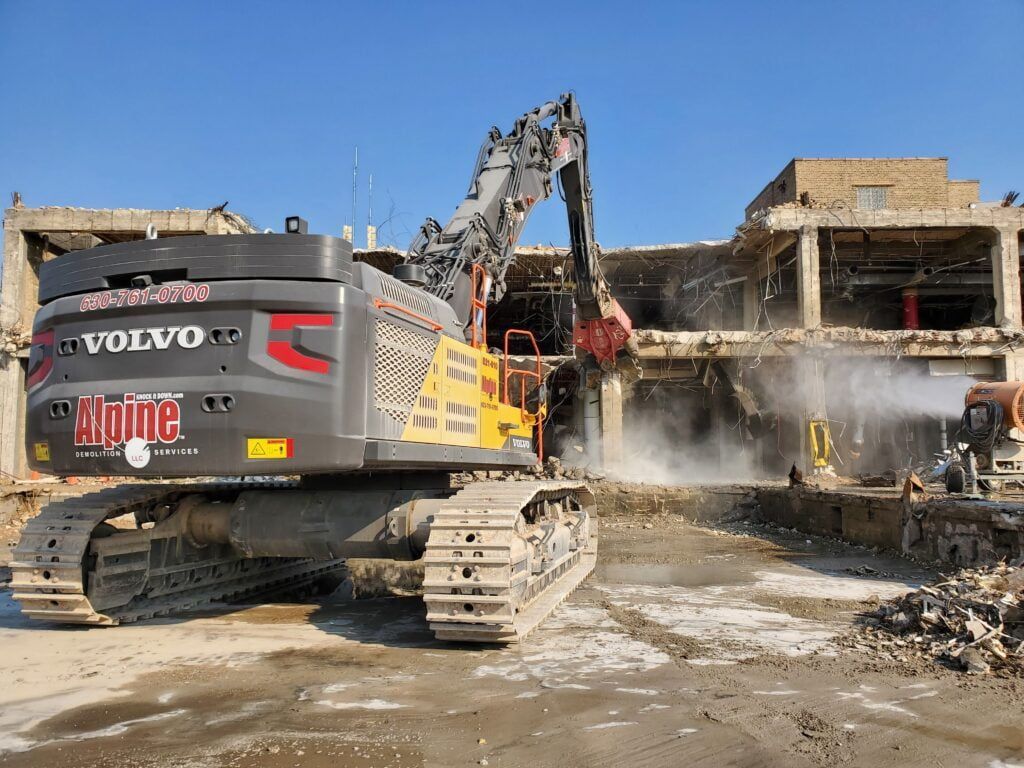
Selective demolition in New York City has actually accomplished significant success with numerous innovative tasks that highlight the importance of cautious planning and implementation. One such task included the restoration of a historical structure in the Bowery, where indoor walls were precisely gotten rid of to produce open areas while protecting original architectural aspects - demolition contractor map listing new york. This strategy not just kept the structure's historic honesty yet likewise modernized its performance
An additional case research study included the conversion of an old storehouse in Brooklyn into high-end apartment or condos. Selective demolition permitted the elimination of non-structural components, optimizing natural light and improving living rooms. The task exhibited how thoughtful demolition techniques can lead to lasting redevelopment.
A Midtown workplace remodelling showcased the reliable use of selective demolition to upgrade outdated facilities while reducing waste. These instances demonstrate that calculated preparation and implementation in selective demolition can yield effective end results, enhancing both appearances and functionality in metropolitan atmospheres.
Regularly Asked Concerns
Just How Much Does Interior Selective Demolition Typically Price in New York City?
Generally, indoor selective demolition costs range from $3 to $10 per square foot, depending upon elements like job dimension, complexity, and materials included. Variants might occur based on specialist experience and regional market problems.

What Allows Are Required for Selective Demolition in New York?
Permits for selective demolition typically consist of a demolition license, environmental assessment approvals, and feasible notification to surrounding homes. Particular requirements might vary based upon the structure's age, location, and regional regulations governing building and construction tasks.
For how long Does a Careful Demolition Project Normally Take?
A careful demolition task usually takes one to 3 weeks, depending on the job's dimension and intricacy. Aspects such as website conditions, required licenses, and control with other professionals can affect the timeline considerably.
Can I Stay In My Home During Selective Demolition?
Residing in a home throughout selective demolition can be feasible, depending upon the degree of the job and safety preventative measures. Locals should anticipate noise, dust, and possible disturbances, requiring mindful consideration and preparation.
What Happens to the Debris After Selective Demolition Is Completed?
After selective demolition is completed, the particles is normally arranged for reusing and disposal. Salvageable products might be reused, while non-recyclable waste is transferred to land fills, ensuring responsible administration of building waste.
While several may demolition contractor new york associate demolition with full destruction, selective demolition focuses on the mindful elimination of certain structure aspects to assist in improvement or repurposing. Unlike traditional demolition, which typically leads to extreme waste in land fills, selective demolition concentrates on recovering reusable elements, such as components, flooring, and structural elements. What elements should be taken into account prior to starting on an indoor selective demolition job in New York? Licenses for selective demolition normally consist of a demolition license, ecological evaluation approvals, and possible notice to surrounding residential or commercial properties. A discerning demolition task typically takes one to 3 weeks, depending on the task's dimension and complexity.